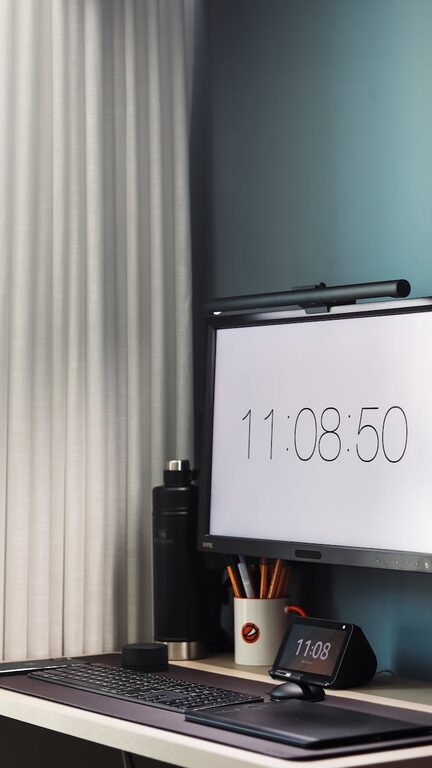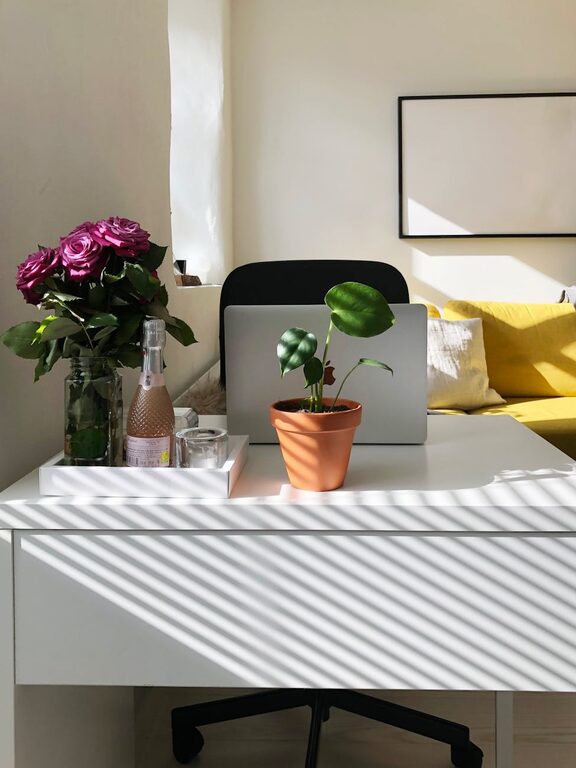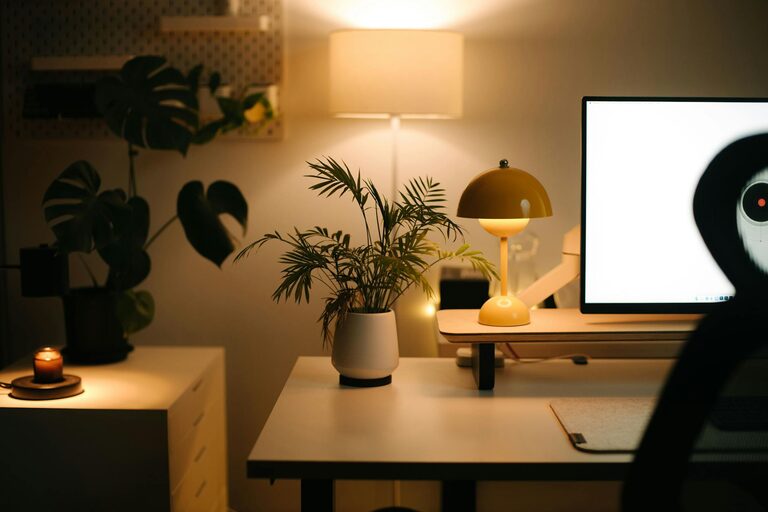
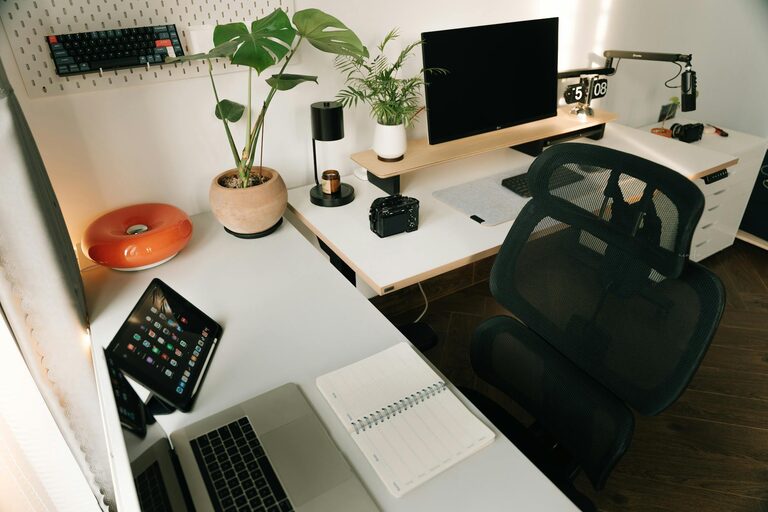
Creating a home office that truly supports your work can make a significant difference in your productivity and well-being. Whether you work remotely full-time or occasionally need a dedicated space for tasks, designing an office that suits your needs is key. This guide will walk you through actionable tips to set up a productive home office that feels comfortable, organised, and inspiring.
Assess Your Needs Before You Begin
Before buying furniture or arranging your space, spend some time reflecting on how you work best.
– Consider Your Work Style: Do you need a quiet zone for concentration or a more creative environment with space for brainstorming? Are you on phone calls often or do you mostly type?
– Identify Required Equipment: List your essential tools – computer, printer, notebooks, or multiple monitors.
– Evaluate Space Availability: Are you working from a spare room, a corner in the living room, or somewhere else? Knowing your space constraints early helps with realistic planning.
Choose the Right Location
Selecting the right spot will influence your focus and comfort.
– Natural Light is Essential: Position your desk near a window if possible. Natural daylight can improve mood and reduce eye strain.
– Minimise Distractions: Find a quiet area where interruptions are less likely. Avoid high-traffic zones within the home.
– Consider Ventilation: A well-ventilated space keeps air fresh and can boost concentration.
Invest in Ergonomic Furniture
An ergonomic setup protects your health and helps maintain focus during long workdays.
– Comfortable Chair: Choose one with adjustable height, lumbar support, and cushioning to prevent back pain.
– Appropriate Desk: Select a desk size that fits your equipment and provides enough surface area without clutter.
– Screen Positioning: Ensure monitors are at eye level and about an arm’s length away to avoid neck and eye strain.
– Footrest and Accessories: If necessary, a footrest can improve posture, and keyboard trays or wrist supports can prevent repetitive strain injuries.
Organise for Efficiency
A tidy environment encourages clear thinking and quicker task completion.
– Declutter Regularly: Keep only what you need on your desk. Store other items elsewhere.
– Use Storage Solutions: Shelves, drawers, and organisers help keep paperwork and supplies in order.
– Digital Organisation: Maintain a well-organised desktop and folders on your computer to reduce search time.
– Cable Management: Use clips or ties to keep wires neat and out of the way.
Personalise Your Space
Adding personal touches can make your home office welcoming and motivating.
– Inspire with Decor: Artwork, plants, or meaningful objects add character and comfort.
– Colour Choices: Choose colours that enhance your mood. Blues and greens are calming, while yellows can boost creativity.
– Lighting: Besides natural light, have adjustable task lighting and ambient lighting to suit different times of day.
Establish Boundaries and Routines
Creating clear boundaries between work and home life helps maintain productivity.
– Set Work Hours: Define when your workday starts and ends to avoid burnout.
– Use Visual Cues: Close the door or use specific items to signal when you are working and should not be disturbed.
– Take Breaks: Incorporate short breaks to stretch or rest your eyes to refresh your mind.
Utilise Technology Wisely
Technology is central to creating an efficient workspace but should be used thoughtfully.
– Reliable Internet: Ensure your internet connection is fast and stable.
– Noise-Cancelling Headphones: If you share your living space, these can help block out distractions.
– Productivity Apps: Use calendars, task managers, and timers to stay organised and on schedule.
Maintain Your Workspace
Keeping your home office in good shape supports ongoing productivity.
– Regular Cleaning: Dust and clutter can impact concentration and health.
– Review Periodically: Every few months, reassess your setup and make improvements as your needs evolve.
—
Creating a productive home office that fits your unique needs is a rewarding investment. By planning carefully, choosing ergonomic furniture, organising efficiently, and personalising your space, you can enhance both your work performance and your comfort. With the right environment, working from home becomes a more enjoyable and sustainable experience.
About the Author