Creating a relaxing home environment is essential to unwinding and recharging after a busy day. You don’t need to undertake large renovations or buy expensive furnishings to make your space more calming. With a few simple decor changes, you can cultivate a serene atmosphere that promotes comfort and wellbeing. This post will guide you through practical tips that can help you transform your home into a peaceful retreat.
Declutter to Clear Your Mind
One of the easiest and most effective ways to create a relaxing environment is to declutter your space. Clutter can cause unnecessary stress and make rooms feel chaotic rather than restful.
– Sort and Simplify: Go through your belongings and decide what you really need or use. Donate, recycle or discard anything that doesn’t serve a purpose.
– Organise Thoughtfully: Use boxes, baskets or trays to keep smaller items neatly contained. Label storage to easily find essentials without hassle.
– Keep Surfaces Clear: Regularly clear kitchen counters, tables and shelves to maintain a tidy look.
By reducing clutter, you allow your rooms to feel more open and inviting, encouraging relaxation.
Choose Soothing Colours
Colours have a powerful impact on mood. Selecting calming shades for walls and accessories can create a tranquil atmosphere.
– Soft Neutrals: Shades of cream, soft grey, taupe or pale beige create a gentle, understated backdrop.
– Pastel Hues: Soft blues, muted greens and lavender tones are well-known for their relaxing properties.
– Avoid Bright or Dark Colours: Intense reds, bright yellows or very dark shades can be stimulating or heavy in a space meant for relaxation.
Try using these colours on walls, cushions, curtains or rugs to gently influence the vibe of your home.
Add Natural Elements
Bringing elements of nature indoors fosters a sense of peace and connection with the outdoors.
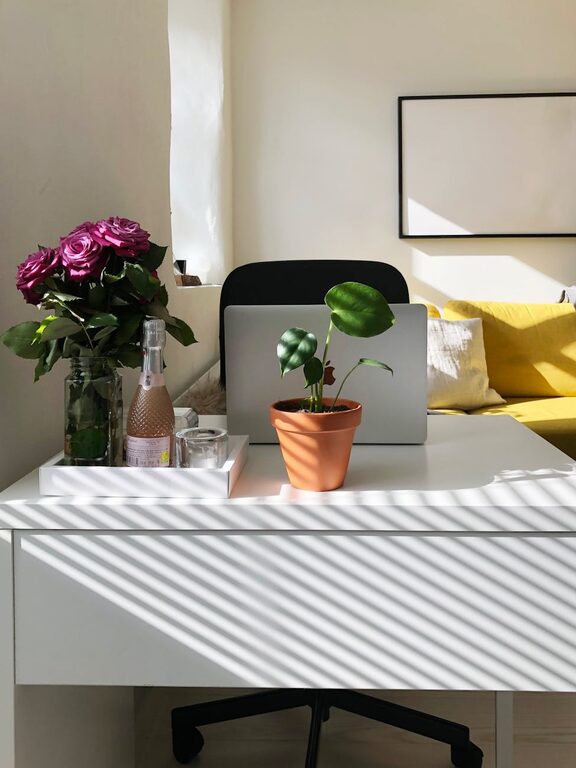
– Houseplants: Greenery improves air quality and adds visual calm. Choose easy-care plants like snake plants, pothos or peace lilies.
– Natural Materials: Incorporate wood, rattan, cotton, or linen in your furniture, textiles and accessories for warmth and texture.
– Natural Light: Make the most of daylight by keeping window dressings light and airy, and positioning seating near windows where possible.
These elements help create a soothing environment that encourages relaxation.
Create Comfortable Textures
Comfort plays a key role in making a home feel relaxing. Introducing soft, tactile textures invites relaxation and a cosy atmosphere.
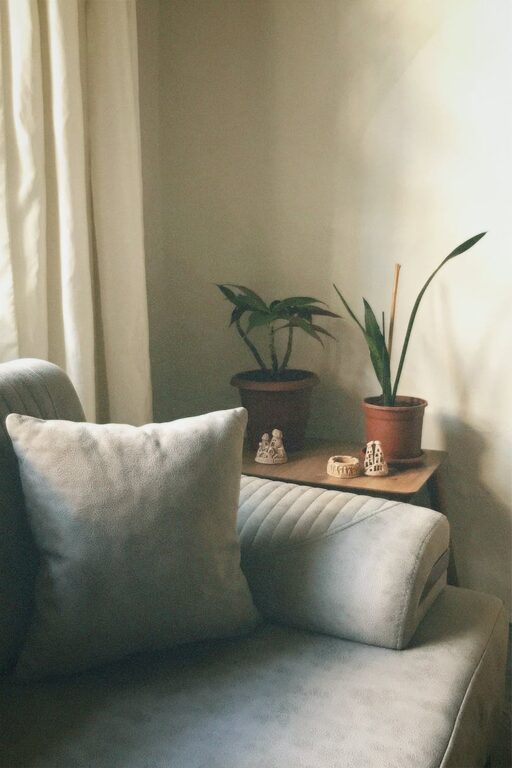
– Soft Throws and Cushions: Layer sofas and chairs with plush cushions and blankets in calming colours.
– Rugs: Add a soft rug underfoot to create warmth and help zone seating areas.
– Comfortable Seating: Prioritise seating with supportive cushions or ergonomic designs to encourage ease.
Textural variety for both comfort and aesthetics will make your living spaces feel more inviting.
Use Warm, Ambient Lighting
Lighting greatly affects the mood in a room. Harsh overhead lights can make a space feel cold and clinical.
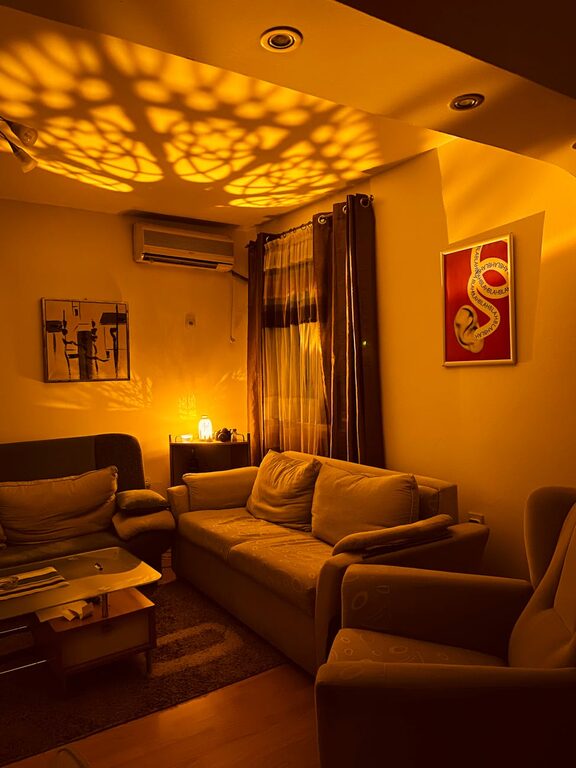
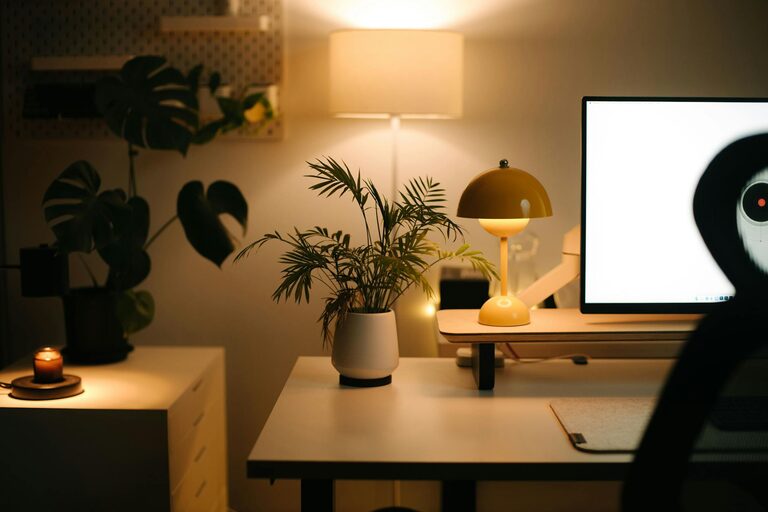
– Soft Lamps: Use table lamps, floor lamps or wall sconces with warm bulbs for a gentle glow.
– Dimmers: Installing dimmer switches gives you control over light intensity, perfect for relaxing evenings.
– Candles: Scented or unscented candles create a peaceful flickering light that many find calming.
Layered lighting options allow you to tailor the atmosphere to suit your mood.
Incorporate Personal Touches
Adding elements that reflect your personality and what you love can make a home feel more reassuring and comforting.
– Photos and Memories: Display pictures that evoke happy memories or places you love.
– Favourite Books and Art: Showcasing books, prints or artwork that inspire you will boost peace of mind.
– Scented Elements: Use essential oils, diffusers, or potpourri with natural scents like lavender, chamomile or sandalwood, known for their relaxing properties.
These personal touches help your home feel uniquely yours and a true sanctuary.
Keep Technology in Check
Electronic devices and constant notifications can disrupt relaxation.
– Designate Tech-Free Zones: Choose one or more rooms or corners of your home to keep free of screens and devices.
– Tidy Cords Away: Hiding cables reduces visual clutter and creates a cleaner look.
– Use Smart Controls: If you enjoy technology, consider smart lighting or sound systems that enhance relaxation without overwhelming.
Creating boundaries around technology helps preserve your peaceful atmosphere.
Maintain a Consistent Theme
Consistency in your decor choices helps spaces feel cohesive and calming.
– Choose a colour palette and style and stick to it throughout your home.
– Avoid mixing too many patterns or contrasting styles that could feel busy.
– Repeat textures or materials to create rhythm and harmony in your rooms.
This considered approach encourages the eye to rest and the mind to relax.
—
By making these small adjustments, you can design a home environment that supports relaxation naturally and beautifully. Remember, the key is to keep changes simple and intentional. A serene home helps nourish your wellbeing and makes it easier to enjoy your downtime. Take your time, trust your instincts, and enjoy creating your peaceful space.
About the Author