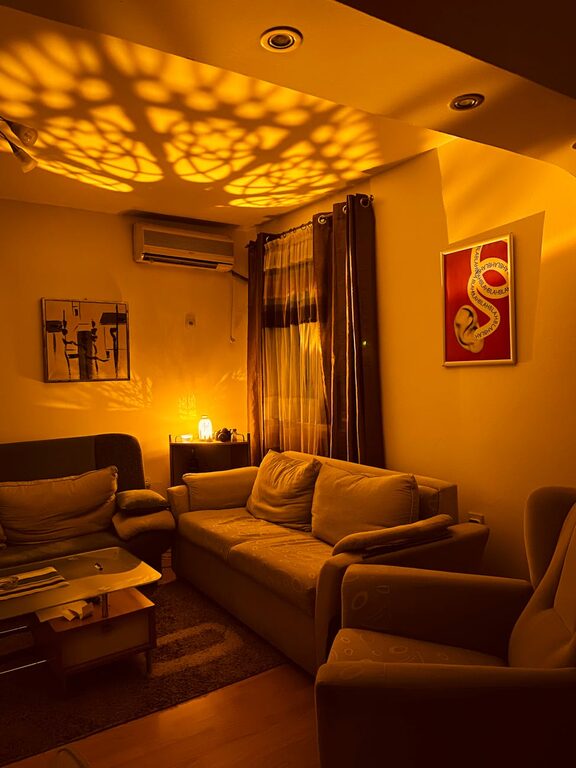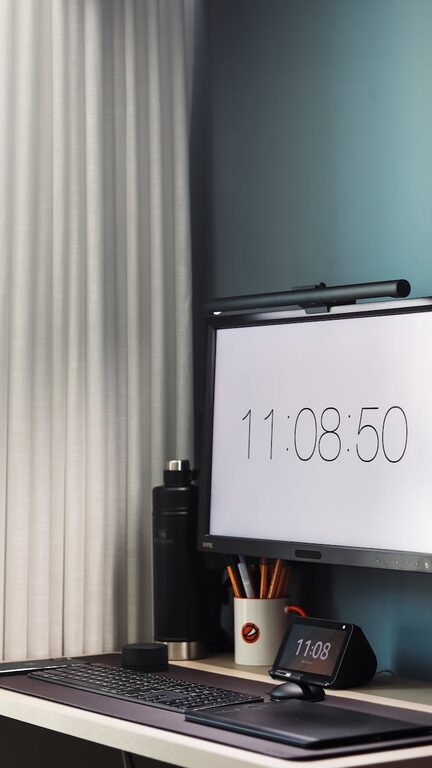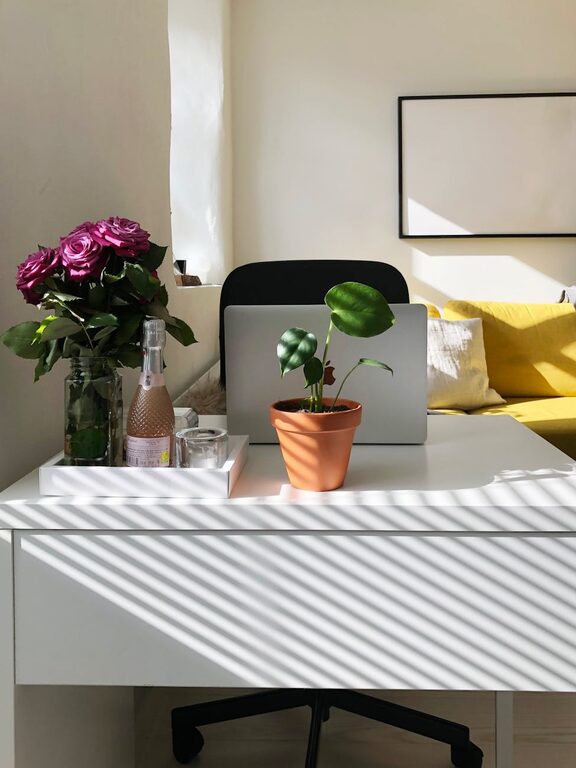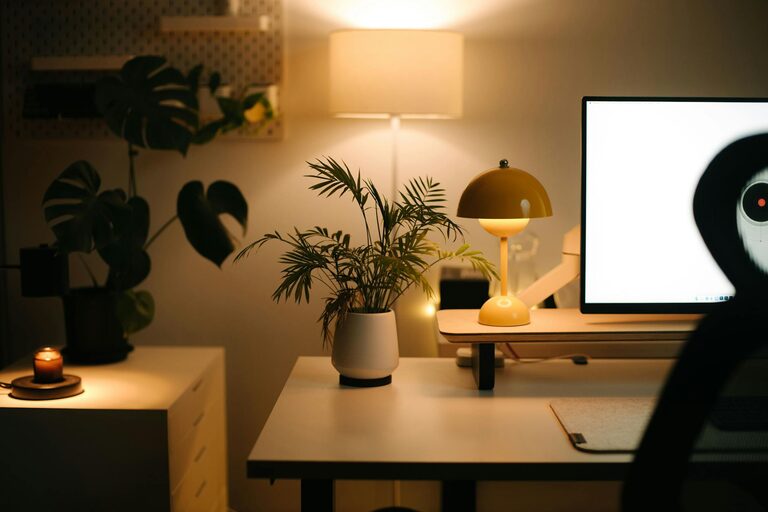
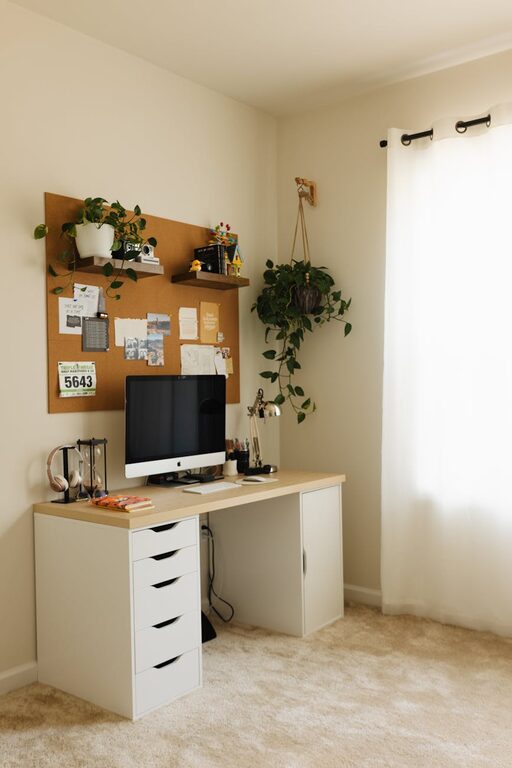
Creating a home office that is both cosy and functional can greatly improve your productivity and overall work experience. Whether you have a dedicated room or a small corner of your home, making the space comfortable and well organised sets the right tone for focus and creativity. In this post, we’ll explore useful tips to help you design a home office tailored to your needs and style.
Choose the Right Location
Selecting the best spot for your home office is the first step. Ideally, pick a quiet area with plenty of natural light. Natural light not only boosts your mood but also reduces eye strain when working on screens.
– If possible, use a spare room or a less-used area to minimise distractions.
– Avoid placing your desk directly in front of a window to prevent glare on your computer.
– Consider how close this space is to other living areas to maintain a good work-life balance.
Invest in Comfortable and Ergonomic Furniture
Comfort is essential for long working hours. Ergonomic furniture supports good posture and prevents aches or fatigue.
– Choose an adjustable office chair that supports your lower back.
– A desk at the right height allows you to keep your arms at a 90-degree angle while typing.
– If space allows, consider a sit-stand desk to vary your position throughout the day.
Optimise Lighting
Good lighting is crucial for a productive workspace and a cosy atmosphere.
– Use a combination of natural light and artificial lighting.
– A desk lamp with adjustable brightness helps reduce eye strain during evenings or cloudy days.
– Soft, warm lighting creates a welcoming environment without being too harsh.
Keep Organised with Smart Storage Solutions
Clutter can disrupt focus, so having efficient storage is key.
– Use shelves, drawers, or filing cabinets to keep documents and office supplies neat.
– Desk organisers or trays help keep everyday items within easy reach.
– Label storage boxes to quickly find what you need and avoid mess.
Personalise Your Space
Adding personal touches can make your home office feel inviting and motivate you to spend time there.
– Display artwork, photos, or plants to brighten the room.
– Choose colours and décor that calm or energise you, depending on your work style.
– Incorporate textiles like cushions or rugs to add warmth and softness.
Minimise Noise and Interruptions
A peaceful environment supports concentration and reduces stress.
– Use noise-cancelling headphones if you cannot control background sounds.
– Consider soundproofing options like rugs, curtains, or acoustic panels.
– Set boundaries with household members during working hours.
Technology and Connectivity
Reliable technology is essential for any home office.
– Ensure your internet connection is fast and stable.
– Keep cables organised with clips or sleeves to avoid tangles.
– Invest in necessary peripherals such as a good quality keyboard, mouse, and monitor for comfort.
Establish a Routine and Keep the Space Dedicated
Having a clear routine helps separate work time from personal time.
– Use your home office only for work-related tasks to mentally switch into professional mode.
– Set regular hours and take breaks to maintain productivity and well-being.
– End your day by tidying the workspace, preparing for the next day.
Incorporate Greenery
Indoor plants can improve air quality and create a refreshing workspace.
– Choose low-maintenance plants like succulents or spider plants if you’re not confident with plant care.
– Position plants near your desk or on shelves to add a natural touch.
—
Creating a cosy and functional home office doesn’t require a large budget or space. With a few thoughtful touches and practical choices, you can design a workspace that supports your productivity and feels like a pleasant place to spend your day. Start with your space needs and build from there, prioritising comfort, organisation, and personal style. Happy working from home!
About the Author